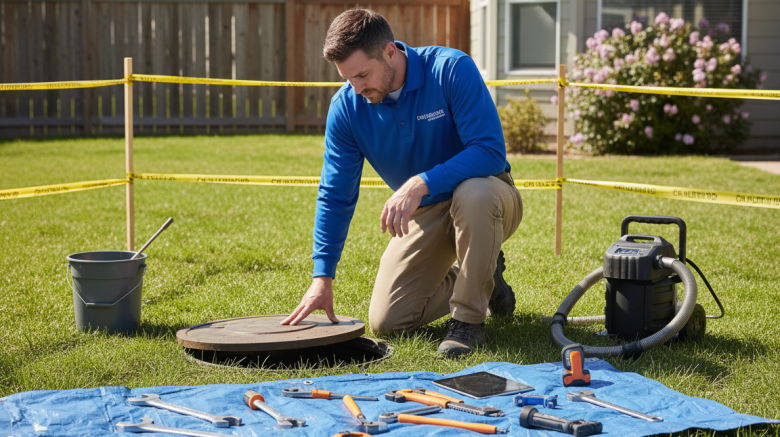
Regular maintenance of this vital infrastructure prevents serious problems. Proper care prevents breakdowns that cause costly fixes and issues. Comprehending the investment needed for this crucial task helps homeowners plan efficiently.
Read online about septic pumping

Read more about septic pumping

More information about septic pumping
The national average for this necessary upkeep task is around $420. Most homeowners can anticipate to spend between $290 and $560 for expert cleaning to their underground disposal unit. Such a proactive investment protects against much more expensive repairs.
This guide from Septic Services of LA offers concise, authoritative information. It details the variables affecting your total invoice for this essential home maintenance. Understanding these elements facilitates better budgeting and educated choices about your home’s wastewater management.
How Much Does Septic Tank Pumping Cost?
Budgeting for essential home wastewater management starts with understanding average prices. Such budgeting strategy assists property owners steer clear of shocks when scheduling necessary maintenance.
National Average And Price Ranges
Across the United States, the standard cost for this vital maintenance hovers approximately $400. Most property owners encounter bills ranging from $290 and $560 for full attention to their septic tank.
Regional differences in labor rates and disposal regulations can affect this price bracket. Such geographic variables will undergo in-depth analysis in the upcoming segment.
Service Fees According To Tank Volume
The biggest influence of your invoice is the volume of your home septic unit. Professionals often determine costs on a per-gallon rate, ranging from $0.23 to $0.40 for each gallon of capacity.
The majority of single-family homes utilize units between 750 and 1,500 gallons. A 1,000-gallon tank is common for a four-person household, while larger households frequently need a 1,250-gallon unit.
| System Size (Gallons) | Approximate Price Range |
|---|---|
| 750 | $175 – $300 |
| 1,000 | $225 – $400 |
| 1,250 | $275 – $500 |
| 1,500 | $345 – $600 |
| 1,750 | $400 – $700 |
High-capacity units require more expensive upfront fees for the cleaning procedure. However, their increased volume usually permits longer intervals separating necessary maintenance visits.
This trade-off impacts long-term budgeting for homeowners. A professional evaluation can determine the ideal timeline for your unique situation.
The invoice from a professional provider like Septic Services of LA includes various components. Labor for the skilled technicians, usage of specialized equipment, and safe removal of waste materials all contribute to the total.
Understanding these factors enables precise financial preparation. Property owners can determine their likely tank capacity and associated price bracket utilizing this information.
Variables Influencing Septic Service Costs
Multiple variables influence what homeowners finally pay for their underground disposal system service. Beyond the size of your unit, several logistical factors affect the final invoice.
Understanding these variables supports better planning. Doing so also helps when requesting detailed estimates from service providers.
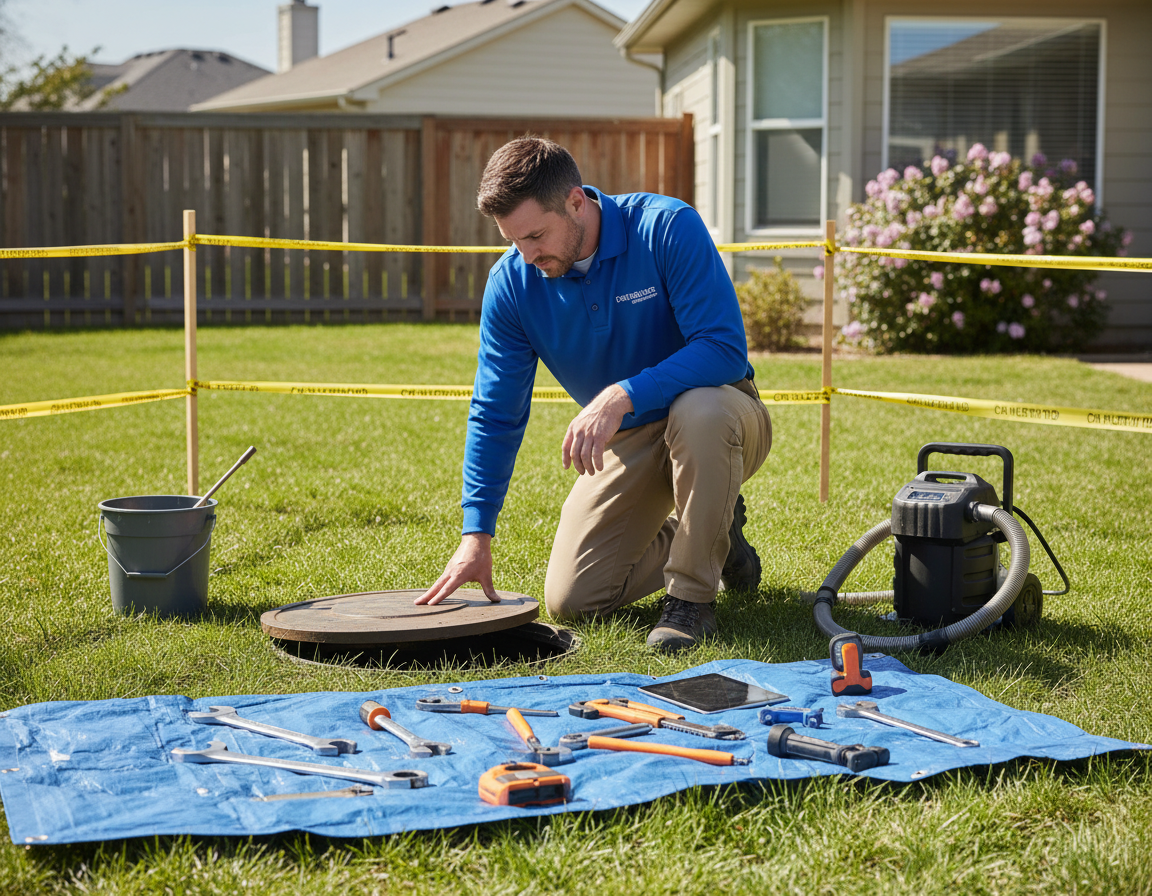
Tank Size And Capacity
The physical dimensions of your septic system are the main price factor. Bigger tanks contain more material, requiring additional labor and effort to service properly.
Septic companies usually charge based on the volume of sludge removed. A common 1,000-gallon system for a four-person home fits into a standard price bracket.
Bigger capacities, such as 1,500 gallons or more, command increased costs. However, they often permit extended periods between required pump-outs.
Your Geographical Location
Your home’s location greatly influences service pricing. Local variations in wages, disposal regulations, and general cost of living cause wide disparities.
For instance, homeowners in Minneapolis may see costs between $180 to $280. In contrast, the same essential service in Portland could cost from $440 and $750.
Local availability of qualified technicians and waste treatment plants also plays a role. Such location-based factors are often fixed and need to be accounted for in any budget.
The ease with which for workers to access your tank is a major bill modifier. Clear, accessible access ports allow for a straightforward and faster process.
Obstructions increase time and effort. Buried lids, landscaping features, decks, or structures can complicate the process.
Hardened soil during cold seasons poses another hurdle. Such access problems typically add $50 to $200 to the standard fee.
An preliminary check can identify potential obstacles. Discussing these with your provider beforehand prevents surprise charges down the line.
State Of The System And Upkeep
The state of your septic tank upon service arrival greatly influences the effort needed. A cared-for system with routine service is much easier and faster to service.
Lack of care results in problems. Ignoring scheduled maintenance allows sludge and scum layers to thicken.
Extracting this hardened material requires more labor and possibly specialized, machinery. This situation can increase the cost by $100 to $300 to a regular service charge.
Regular, preventative maintenance is the most effective strategy for managing ongoing wastewater system expenses.
The regularity of past service impacts present state and pricing. Establishing a regular schedule with a reliable company like Septic Services of LA prevents degradation.
Other cost factors include system type, like conventional versus aerobic systems. Extra tasks such as effluent filter cleaning or video assessments also contribute to the total.
Homeowners should assess these factors prior to seeking estimates. Giving information regarding access, last service date, and tank model leads to more accurate estimates.
Why Routine Septic Maintenance Matters
Viewing regular service as an unnecessary expense is a frequent mistake for homeowners with septic tanks. This perspective overlooks the fundamental role which scheduled servicing has in protecting a property’s value and avoiding major disasters.
The investment in regular care offers benefits well past simple operation. It represents a strategic approach to managing a home’s most critical infrastructures.
Stopping Major System Malfunctions
Lack of maintenance allows waste to accumulate inside the underground reservoir. Over time, sludge layers thicken and harden, diminishing the effective capacity for water processing.
This buildup ultimately reaches the exit line, transporting untreated waste directly into the leach field. The drainage soil then becomes clogged with organic matter, losing its capacity to filter and distribute liquid.
The direct consequences of this failure are severe and immediate. Residents might experience sluggish pipes throughout the house or complete blockages in plumbing fixtures.
Even worse, untreated sewage can flow back into tubs, commodes, and sinks. Bad smells often invade both interiors and exteriors, signaling a severe public health concern.
Pooling, unsanitary water may show up on the grass above the drainage field. This visible sign indicates total system malfunction and demands immediate professional intervention.
The financial contrast between routine care and urgent repairs is stark. A planned maintenance visit from a provider like Septic Services of LA represents a foreseeable, manageable expense.
Emergency repairs for a broken tank, on the other hand, can rise rapidly. Fixing a compromised leach field frequently costs from $5,000 and $15,000, based on the severity and local soil conditions.
In extreme cases, complete replacement of the whole wastewater treatment setup may be necessary. This major project usually costs between $20,000 to over $50,000, covering digging, new components, and landscape restoration.
This cost avoidance strategy renders routine care one of the most prudent investments a property owner can choose. It turns a possible disaster into a planned, manageable cost.
Protecting Your Property Value And The Environment
A properly functioning septic unit is a significant asset in every real estate transaction. Prospective buyers and professional inspectors thoroughly evaluate this vital infrastructure.
Records of regular, professional maintenance provides proof of responsible ownership. It assures potential buyers that the property’s septic system won’t turn into their instant, costly burden.
On the flip side, signs of neglect or existing problems can derail sales entirely or compel substantial price reductions. No buyer wishes to inherit a looming environmental and financial liability.
Preventative maintenance protects both your home’s resale value but also the environment. It’s the hallmark of educated, ownership.
Environmental protection represents another strong argument for diligent upkeep. A well-maintained unit safely processes household effluent, eliminating dangerous pathogens and contaminants prior to discharging water into the ground.
An leaking system creates serious pollution dangers. It can contaminate nearby aquifers, drinking sources, and surface water bodies, creating safety risks and breaking environmental laws.
Regular servicing guarantees the biological process inside the container operates optimally. This permits the safe breakdown of solids and correct filtering through the ground.
Establishing a connection with a reputable company such as Septic Services of LA ensures this crucial job is done correctly. Their skill ensures that waste is pumped and disposed of according to every environmental guidelines.
Concrete wastewater systems, when well cared for, can remain functional for four decades plus. This lifespan relies on a consistent schedule of expert checks and necessary servicing.
The frequency of required attention differs, but a general guideline recommends evaluation every three to five years for most homes. Family size, usage patterns, and system size each influence this timeline, which will be explained in the next section.
Ultimately, the scheduled, predictable nature of routine care offers assurance. It contrasts sharply to the financial shock and sanitary emergency of a complete failure, rendering it an essential practice for every homeowner.
When To Schedule Septic Service
A tailored strategy to wastewater system care goes past standard rules to address individual home requirements. The frequency of needed professional attention is not one-size-fits-all.
Understanding the factors that influence this timeline assists homeowners create an efficient care strategy. This prevents either unnecessary expenses and possible breakdowns.
EPA Guidelines And General Rules
The Environmental Protection Agency offers a baseline rule for residential wastewater systems. They suggest an annual inspection and a thorough cleaning approximately every 3-5 years.
This range serves as a reliable benchmark for the majority of single-family homes. A typical 1,000-gallon unit used by a family of four usually falls within this timeframe.
The inspection is vital for assessing the tank’s condition amidst pump-outs. It can spot minor issues prior to they escalate into major plumbing problems.
Adhering to this baseline helps maintain the bacterial action that breaks down sewage. It ensures sludge do not overflow into the leach field, which can cause costly hazards.
The following table connects common household sizes and system capacities with suggested pumping frequencies. These estimates presume normal water use and no garbage disposal unit.
| Household Size | Tank Capacity (Gallons) | Suggested Pumping Interval |
|---|---|---|
| 1 person | 1,000 | Every 5 years |
| 2 people | 1,000 | Every 5 years |
| 3 people | 1,000 | Every 3-4 years |
| 4 people | 1,000 | Every 2-3 years |
| 5 people | 1,250 | Every 2 years |
| 6+ people | 1,500 | Every 1-2 years |
Using the standard EPA guideline as a guide allows homeowners to build a tailored plan that matches their real habits, rather than a textbook estimate.
Factors Accelerating Maintenance Needs
Several key variables can dramatically speed up the accumulation of solids in a septic tank. These factors might necessitate adjustments to the usual schedule.
The primary influencers are:
- Number of Occupants: More residents mean increased flow flowing into the tank and additional solids to treat. A house with six residents will fill its tank more quickly than a couple.
- Total Water Use: Habits like extended bathing, washing clothes often, and daily dishwashing boost water volume. This action lowers the effective treatment time within the container.
- Garbage Disposal Use: Disposals add substantial organic waste that don’t decompose quickly. Homes with grinders might need yearly pumping to prevent premature system failure.
On the other hand, certain conditions can safely prolong the time toward the five-year mark. Holiday homes occupied part-time see much less strain on their septic systems.
Homes with water-efficient fixtures and conscious consumption habits also lower the burden. Modern commodes, fixtures, and front-loading washing machines make a measurable impact.
Additional factors include the volume of soaps, cleaners, and products poured into the pipes. Strong chemicals can harm the natural bacterial action needed for digestion.
The smartest financial move is to create a tailored schedule based on your specific needs. Start at the standard 3-5 year guideline, and modify based on your household’s specific patterns.
A professional evaluation from Septic Services of LA can provide exact advice. Their experts can assess sludge levels and recommend the optimal frequency for your home.
This proactive approach avoids either needless visits and the damaging consequences of overflowing. It represents wise management of an essential home component.
Recognizing The Signs Your Tank Needs Immediate Attention
The difference separating routine maintenance and an emergency frequently lies in identifying early warning signs. Your underground wastewater infrastructure signals problems through clear signs within and around your house.
Understanding these indicators allows for quick expert action. This prevents minor issues from growing into major, disasters.
Interior Plumbing Symptoms
Issues inside the home often offer the first clues of a backed-up tank. When multiple fixtures are impacted at once, the cause is likely the main system.
Sluggish pipes in showers, sinks, and bathtubs are a common red flag. Commodes that flush poorly or back up into the basin indicate a major clog.
Residents may notice gurgling sounds from pipes after flushing or running water. These noises indicate trapped air in the lines due to a blockage downstream.
Bad smells coming from pipes or the lower level are a critical sign. This smell indicates that gases from a full tank are leaking back into the living space.
It is vital to distinguish a system-wide issue from a simple, single pipe block. A one clogged drain is usually a pipe problem. Multiple affected fixtures point to the main disposal infrastructure.
Outdoor Indicators Of Failure
The ground above and around your leach field offers clear proof of tank status. Changes here frequently indicate that the unit is overflowing and cannot process waste.
Standing water or wet, soft soil over the drain field area is a major concern. This saturation happens when the soil can no longer take in liquid from an overloaded system.
Unpleasant sewage smells in the lawn, particularly around lids, are a direct warning. These odors indicate waste is not being contained and treated properly underground.
One more clue is unusually green, thick lawn right above the tank or field. This happens because escaping, nutrient-rich effluent acts as a plant food.
Accumulated, dirty liquid on the grass is a clear indicator of complete failure. This event requires immediate attention to prevent pollution.
If your lawn turns into the sign of a problem, the window for routine care has passed. Immediate professional diagnosis is essential to save your property and the surroundings.
The science behind these signs is simple. Puddling indicates the drain field is saturated and failing. Smells suggest venting problems or that waste is spilling out.
Lush grass is fed by the nitrogen and nutrients in untreated wastewater. Each symptom points to a overwhelmed system that isn’t doing its essential function.
| Major System Indicators | Localized Plumbing Issues |
|---|---|
| Multiple slow drains throughout the home | One slow sink or toilet |
| Sewage odors from several drains | No unusual smells |
| Bubbling noises in pipes | Silent drains |
| Standing water over the entire leach field | Dry yard with no soggy spots |
| Green patches over tank | Even grass growth |
Ignoring these signs brings significant risk. It can lead to raw sewage backing up into bathrooms and basements. Such an event creates a dangerous situation and requires extensive, expensive sanitation.
The consequences frequently requires more than just an urgent pump-out, as well as expensive field restoration. The final cost far exceeds the cost of a routine service call.
At the first sign of these issues, contacting a expert is the wisest course of action. A provider like Septic Services of LA can conduct a thorough inspection.
They will determine whether the issue is a basic block or a full tank requiring urgent pumping. This quick response can stop a full-scale environmental and plumbing emergency.
Recognizing these clues is a cornerstone of proactive system ownership. It transforms reactive panic into controlled, informed decision-making for your property.
Selecting A Septic Service Provider: What To Look For
Finding a trustworthy company for this essential task requires a list of non-negotiable credentials and quality benchmarks. The right choice protects your home, guarantees legal adherence, and provides long-term value.
This guide helps homeowners vet providers methodically. It goes deeper than price to evaluate capability, safety, and expertise.
Required Licenses And Coverage
Checking a provider’s status is the most important step. This due diligence protects you from legal risk and ensures the job follows regulations.
Always ask for proof of a current state license for septic operations. This permit proves the provider has passed examinations on installing, servicing, and local regulations.
Full insurance coverage is mandatory. You must see certificates for both liability and worker’s compensation coverage.
Liability insurance covers any accidental damage to your home during the service. Worker’s compensation protects you if a worker is hurt on your land.
Trustworthy companies also possess licenses for waste dumping. They are required to transport and treat collected material at approved facilities, not dump it elsewhere.
The table below outlines the key papers to ask for and their significance for your safety.
| Document to Verify | Importance |
|---|---|
| State Contractor’s License | Ensures technical knowledge and legal authorization to perform the work. |
| Certificate of Liability Insurance | Covers damages to your property. |
| Worker’s Compensation Insurance | Prevents you from being held financially responsible for employee injuries. |
| Disposal Permit | Guarantees hazardous material is handled and disposed of legally and safely. |
Assessing Honesty And Pricing
Once credentials are confirmed, evaluate how the company conducts business. Openness in communication and costs shows professionalism.
Get written, detailed quotes from multiple companies. A full estimate should list all potential charges.
Check for specific costs such as the base service fee, check-up costs, effluent filter cleaning, and any potential add-ons for difficult access. Doing this avoids hidden costs on the final bill.
Check the company’s equipment. Professional providers utilize dedicated vacuum trucks built for hazardous waste.
These specialized trucks, which represent a major cost for the company, are necessary for a complete, clean. They are definitely not standard trash pumps.
Investigate the company’s reputation carefully. Check online reviews on the BBB, search engines, and trade websites.
Request references from neighbors who have used the service. A proven track record in business often means reliable, consistent maintenance.
Lastly, get everything in writing. The contract should outline the scope of work, guarantees, and the emergency plans.
An upfront, clear estimate and a clear service agreement are the hallmarks of a trustworthy provider. They show respect for the homeowner and confidence in their services.
The Septic Services Of LA Advantage
As an leader in the field, Septic Services of LA meets and exceeds all points on this list. They represent the standards homeowners should seek.
Their team holds all required California state licenses and disposal certifications. Certificates of insurance are provided promptly to every client for full transparency.
The estimation method is thorough and informative. They give easy-to-read, quotes that detail each charge, helping homeowners understand exactly where their money goes.
Septic Services of LA operates a modern fleet of dedicated vacuum trucks. These machines ensures the disposal task is finished quickly and securely, protecting your leach field.
Their dedication to customer satisfaction is shown in excellent web ratings and strong community referrals. They offer written warranties on their work and have a clear, plan for emergency issues.
Selecting a certified expert like Septic Services of LA is an step in a quality work. It ensures the maintenance safeguards your home, follows all regulations, and provides peace of mind for years to follow.
A Walkthrough Of The Pumping Appointment
Understanding the sequence of events during a professional maintenance visit helps reducing stress and readies homeowners for the process. This transparency changes a necessary service from an unknown into a manageable, predictable event.
Residents gain confidence understanding what will happen on appointment day. They can ready their yard appropriately and ask informed questions.
Preparing For The Technician
Your responsibilities before the truck shows up ensure a smooth, efficient job. Proper preparation minimizes delays and potential additional costs.
First, locate and clearly mark your system’s access ports. They are usually concrete lids in the lawn, frequently near the home.
If covers are underground, uncover them before the visit. Doing so cuts down on labor time for the service team.
Clean the zone around the lids of all obstacles. Relocate cars, patio furniture, and kids’ items from the work zone.
Keep animals indoors for their protection and to prevent problems amidst the job. Ensure gates are open for truck entry.
Lastly, write down of any current issues or odd symptoms. Share this information to the driver upon arrival.
The chart here shows the duties for a standard service appointment.
| Your Job | Pro’s Job |
|---|---|
| Locate and mark access ports | Verify system location and layout |
| Remove clutter from yard | Set up safety equipment and barriers |
| Lock up dogs and unlock gates | Operate specialized vacuum equipment |
| Report plumbing problems | Perform comprehensive system inspection |
| Be available for consultation | Provide detailed findings and recommendations |
How The Tank Is Pumped
When they arrive, licensed pros from a provider like Septic Services of LA begin a systematic process. This guarantees thorough attention to your septic system.
The operator first checks the location and opens the tank ports if not already done. They next hook up suction hoses to the tank.
A suction line from a vacuum truck is placed inside. This specialized equipment extracts all contents systematically.
The vacuum sucks out scum, effluent, and sludge totally. This usually takes two to three hours for average-sized residential homes.
Larger systems or those with entry difficulties might need additional time. The worker monitors the flow to ensure complete evacuation.
A pump-out is more than about removal—it’s a complete health assessment of your septic system.
Following evacuation, a careful check is conducted. The technician examines the inside for leaks, structural integrity, and baffles.
Outlet filters are checked and cleaned if present. The drain bed is assessed for any issues or wet spots.
The pumped sewage is transported in tankers to licensed disposal facilities. These facilities operate under strict environmental regulations.
Documentation tracks the sludge from your home to the plant. This tracking guarantees compliance to laws.
The service ends with a full report for the client. Pros note the system’s condition and plan future maintenance needs.
Recommendations for needed fixes are given. An estimated date for the following pump is suggested based on volume and usage.
This comprehensive approach by experts like Septic Services of LA builds trust. Clients understand the worth in organized, regulated maintenance.
Understanding this procedure enables smarter management for your property. It transforms a necessary service into an informed partnership for long-term system health.
How To Prolong Septic Life
Simple adjustments to household routines provide a powerful strategy for minimizing pumping needs and costs. Everyday actions directly influence the condition and performance of your septic system.
These steps complement professional attention from experts like Septic Services of LA. Together, they create a comprehensive approach to septic care.
Implementing these tips reduces strain on your home septic. Doing so lengthens the time separating necessary service visits and protects your money.
Water Conservation And Wise Usage
Managing hydraulic load is crucial for any onsite wastewater treatment system. Too much water overwhelms the tank and accelerates solid accumulation.
Begin by fixing leaky pipes promptly. A leaking commode can waste huge amounts of water daily, dramatically reducing service intervals.
Use water-efficient fixtures in the house. Low-flow showerheads, tap flow restrictors, and high-efficiency toilets significantly reduce water usage going into the tank.
Space out heavy water use throughout the week. Don’t doing multiple laundry loads consecutively, as this overloads the drain field with more water than it can absorb.
Reduce usage of garbage disposal units whenever possible. These appliances chop food waste into sludge that increase solid content in the sewage.
Recycling food waste offers a superior alternative. This practice prevents organic solids out of your pipes while making nutrient-rich soil amendment for plants.
Items To Keep Out Of Your Septic
Your septic system depends on natural bacterial action. Certain substances disrupt this bacterial cycle or cause physical blockages.
Just waste and TP should enter commodes. These things break down easily in the tank environment of your septic.
Avoid flushing any non-biodegradable products. This includes so-called “flushable” wipes, feminine hygiene items, paper towels, and dental floss.
These items don’t rot like TP. They accumulate, forming rags that block pipes, motors, and drain field lines.
Don’t dump FOG (Fats, Oils, Grease) down kitchen drains. These liquids solidify in drains and within the tank, creating hard clogs.
Harsh chemicals represent a big danger. Paints, pesticides, solvents, and too much bleach kill the essential bacteria that eat sewage.
Even common household cleaners should be used sparingly. Choose septic-safe products that protect the bacteria in the tank.
| Do Not Flush | Why Avoid It | Result |
|---|---|---|
| Wet wipes | They don’t rot; they clump | Clogs pipes, pumps, and distribution lines |
| Grease/Oil | Solidify into hard masses | Clogs the tank |
| Harsh chemicals (bleach, paint) | Kill essential waste-digesting bacteria | Halts treatment process; causes system failure |
| Feminine hygiene products | Expand and do not decompose | Plugs pipes; needs repair |
| Medications | Harm bacteria; poison water | Pollutes nature |
| Coffee grounds | Accumulate as dense sludge layer | Rapidly fills tank capacity; increases service frequency |
Yard care of your property additionally helps system longevity. Don’t putting cars/trucks on top of the drain field area.
Doing this compacts soil, lowering its capacity to absorb and filter treated effluent. Plant trees and shrubs away from underground lines to prevent root intrusion.
Direct downspouts and surface runoff clear of the drain field. Excess water from rainfall can flood the soil, hurting its treatment capacity.
Daily mindfulness about what you flush is the best protection for your wastewater system. Along with professional service, it builds a long-term plan.
These simple habits directly correlate with increasing the interval separating professional pump-outs. Reduced water inflow and correct flushing slow the accumulation of solids.
This decreases the rate of required maintenance visits, cutting costs in the long run. It also minimizes stress on all parts, from pipes to the drain field.
Adopting these tips shows good homeownership. When paired with scheduled inspections and pumping from Septic Services of LA, homeowners get dependable service.
This combination between careful habits and expert service makes sure your septic system operates efficiently for years. It transforms regular maintenance into a smart move in your property’s functionality and value.
Final Thoughts
A small amount invested in regular maintenance can prevent massive repair costs. This guide demonstrates that knowing your wastewater system’s needs is fundamental to saving money.
The typical cost of $290 to $560 represents a smart spend. It safeguards against failures that might cost a fortune to fix.
Establish a proactive schedule according to your family size and usage. Hire a credentialed provider like Septic Services of LA for safe, compliant disposal.
This approach saves your property’s value and the nature. It guarantees good operation for years.
Take informed action today. Schedule an inspection, obtain quotes, and implement daily care tips for lasting system health.
Related: Septic Pumping Sylmar: Why Septic System Inspections Should Be Annual