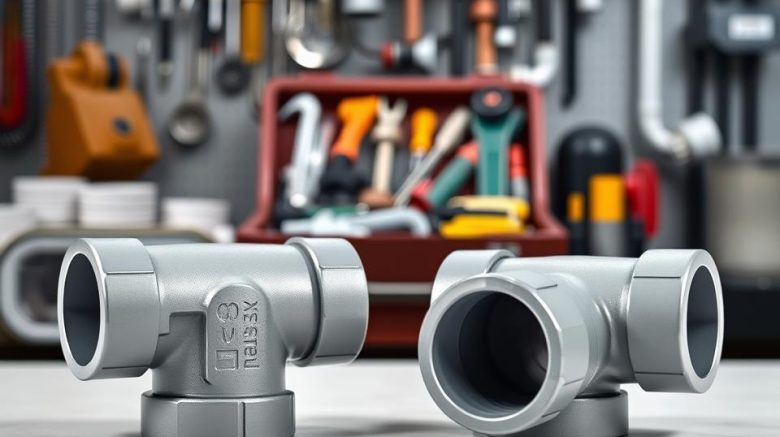
Max Angle Stop Adapter Tees present a pragmatic solution for restricted, angled joins in domestic wet areas. Such fittings allow installers and homeowners to fit supply lines where space is limited. The Adapter 1/4 To 1/2 facilitates the adaptation of various thread dimensions and tube widths, removing the need for re-plumbing lines or cutting new supply branches.
Best Prices On 1 2 Pex To 1 4 Compression
This article presents an in-depth look at how angle stop adapters improve piping setups in U.S. residential and commercial settings. It gives guidance on material selection, size matching, and pressure rating compliance. Our objective is to support plumbers, contractors, and DIY enthusiasts to select, install, and diagnose durable connection parts.
Later sections feature practical sourcing and advice on meeting codes. Vendors such as the team at Installation Parts Supply.com provide parts for common needs, such as the 1/2 to 1/4 conversion part and 1/2 Pex To 1/4 Compression. Detailed technical information, installation tips, and critical compliance notes are detailed to ensure secure, long-term joints.
Essential Summary
- Angle stop adapters simplify cramped and corner supply hookups.
- Adapter 1/4 To 1/2 is frequently used for joining different pipe dimensions.
- Picking the proper material and rating enhances lifespan and code compliance.
- Specialist suppliers like Installation Parts Supply.com stock common adapters and conversions.
- The content below instructs installers and homeowners regarding choosing, fitting, and fixing.
Overview Of Max Angle Stop Adapter Tees And Their Role In Plumbing
Angle stop adapter units are compact fittings that combine an isolation valve with a tee adapter. Installers use them to convert dimensions or threading styles at the point of use while preserving a local shutoff point. This approach reduces bulk and reduces the fitting count in the line.
Understanding the mechanics
These fittings connect to supply lines such as copper, PEX, and braided flex. The angled stop adapter function routes water at a specific angle, allows conversion between sizes, and separates an appliance without turning off the whole house. A quick twist of the stop closes flow to the fixture whilst the adapter portion preserves the necessary fitting style.
Standard applications across the U.S. plumbing trade
Typical uses involve under-sink shutoffs for bathroom sinks, sink supply lines, and commode hookups. They also feed fridge and ice machine lines and accommodate water filtration bypasses. Small commercial units with limited rear clearance benefit from the compact size and integrated valve.
Why installers choose adapter tees for tight and angled installs
Contractors choose these tees since they cut down on excess inventory and hasten renovation work. Immediate conversions like reducing 1/2 to 1/4 or 1/4 To 1/2 Adapter uses result in fewer joints and reduced risk of leaks. Frequent terms such as 1/4 Female To 1/2 Male Adapter and the 1/2 Female To 1/4 Male Adapter simplify pairing with fixture inputs. For specialized changes, larger-to-small pieces like the 1 1/2 male to 1/4 female unit are used in specific tasks.
Smart choosing relies on thread type and pipe substance. Selecting the correct NPT, compression, or PEX-compatible adapter secures dependable access to the valve and correct flow to the appliance.
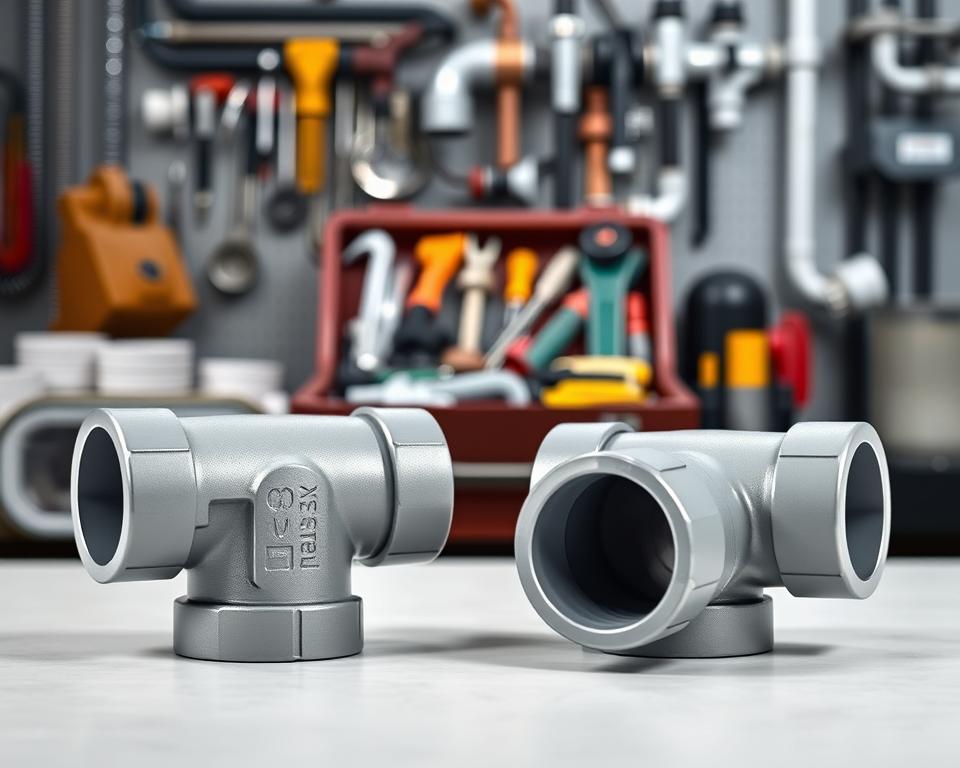
Adapter Classifications And Sizing: Fitting The Correct Parts
Picking the proper adapter involves knowing standard terminology and matching real thread dimensions. In U.S. plumbing, “1/2 to 1/4″ denotes an adapter that reduces from a 1/2” line to a 1/4-inch outlet. This designation hides a range of thread styles and types that every installer must verify before ordering.
Size And Thread Variations To Know
The designations 1 2 To 1 4 Adapter and 11/2 Male To 1/4 Female Adapter both signify a 1/2″ to 1/4″ conversion. It’s essential to check whether the big side is a 1/2″ male or female thread.
Thread form is paramount. NPT is tapered and is standard for wall stubs. BSP or metric styles are found on imported fixtures. Compression fittings and flare fittings utilize parallel threads with a sealing face. Consistently verify the spec sheet for the precise thread type.
Adapters For Switching Thread To Compression
Adapters like the 1/2 female NPT to 1/4 compression unit permit connecting a 1/4″ compression supply to a standard 1/2″ pipe stub. The pipe thread end has tapered threads, whereas the compression end uses a ring and nut system.
In PEX installations, the 1/2 PEX to 1/4 compression part transitions from a 1/2″ PEX run to a 1/4 inch appliance tube. This component frequently features a crimp or push-fit PEX connection on one side and a compression outlet on the opposite side.
Frequent Adapter Combinations And Gender Changes
Installers often carry gender-change pieces such as the 1/4 Female To 1/2 Male Adapter and the 1/2 female to 1/4 male part. These fittings help align appliance inlets to shutoff valves, removing the necessity for extra couplings when inlet threads and valve threads differ.
Angle stop tees are available with combinations of these sizes. They offer an angled valve plus the required conversion in a single unit. This setup reduces the number of fittings and minimizes leak potential at multiple joints.
| Part Name | Primary Function | Interface Details | Typical Application |
|---|---|---|---|
| 1/2 to 1/4 Unit | Step down size | 1/2″ Male NPT -> 1/4″ Female | Feeding ice maker or refrigerator water line |
| 11/2 Male To 1/4 Female Adapter | Standardized as 1/2″→1/4″ | 1/2″ Male -> 1/4″ Female | Changing thread gender on existing valves |
| 1/2 Female Npt To 1/4 Compression | Thread-to-compression conversion | 1/2″ female NPT to 1/4″ compression nut & ferrule | Joining appliance lines to mains |
| 1/4 to 1/2 Unit | Upsize or join lines | 1/4″ Male -> 1/2″ Female | Adapter stacks or temporary service lines |
| 1/2 Female To 1/4 Male Adapter | Gender swap for compatibility | 1/2″ female thread to 1/4″ male thread | Matching fixture inlets to shutoff valves |
Always confirm manufacturer specs and box labels to confirm threading, taper, and seat design. A small mismatch in seat form or thread standard may result in leaking, even if fractional sizes match on paper.
Material Selection And Durability For Extended Service Life
Material selection significantly impacts the function and life of the plumbing work. Brass is widely preferred for easy machining and resistance to general corrosion. In environments with chlorinated or aggressive water, stainless steel is a superior choice, providing extended durability.
Plated finishes improve the look of exposed valves and stops. Chrome or nickel plating on brass bodies improves corrosion resistance. However, these coatings wear off over time, mainly due to regular touching or the use of abrasive cleaners. Internal seals inside the valves tend to wear out, and swapping them fixes the seal.
Dezincification is a concern with some brass alloys, causing metal failure. It is vital to use lead-free compliant alloys complying with NSF 61 and 372 norms for drinking water. This guarantees safety and long life. Numerous makers label their products as lead-free to meet federal water safety laws.
Pressure ratings for household fittings depend on the specific design. Make sure to check the pressure ratings before installation, since they usually run from 150 to 600 PSI. Thermal limits are equally important, as domestic hot-water systems can hit 180 degrees F. Verify these numbers for every component in the setup.
Standards and approvals are essential for safety and code adherence. Look for listings for NSF/ANSI 61 for potable water and NSF/ANSI 372 for lead-free materials. Threaded connections must follow ASME standards for NPT. Local jurisdictions could ask for UPC or IPC marks, so verify these requirements before purchase and installation.
Durability is influenced by the material used, finish quality, and proper installation. Adhering to torque specs and ensuring compatibility with supply pressure and water chemistry can extend the life of components such as the 1/2 female to 1/4 compression and 1/4 to 1/2 adapters. Preventing crossed threads and applying sealant properly also lessens strain on the connections.
Installation Best Practices For Adapter Tees And Angle Stops
Correct setup and careful tightening are critical for a durable joint. Follow simple steps to safeguard parts, maintain water purity, and satisfy codes.
Preparing the line
Wipe pipe ends and deburr on copper or PEX prior to connecting. Cut tubing square for compression fittings and deburr when applicable. For screwed connections, wrap thread tape PTFE in a clockwise direction when facing the threads so the tape feeds in with the thread.
Apply pipe sealant rated for potable water on metallic threads when the manufacturer recommends it. Do not use tape on ferrules or flare fittings; those joints must be clean and dry and properly seated.
Correct torque and preventing over-tightening
Hand-start threads to prevent cross-threading. For compression nuts and valves, use the proper wrench specified by the manufacturer and follow any torque ranges they provide. A standard rule is to snug it up, then add a fraction of a turn, but always stick to the part instructions.
Do not over-tighten to prevent damage. Too much force can deform ferrules, crack fittings, or damage seats and cause leaks. If a fitting leaks after reasonable tightening, back it off, check for issues, and try again with fresh tape or sealant as appropriate.
Verifying the seal
Once installed, pressure-test the system under normal load and look for water. Use a food-safe leak-detection solution on threaded joints or use dry paper to spot moisture. Turn the valve several times and re-check for leaks after turning it.
Selecting the correct part
Choose between Adapter 1/4 To 1/2 usage and a gender-change fitting based on supply size and fitting style. Use Adapter 1/4 To 1/2 usage if the supply is 1/2″ and the appliance line requires a 1/4″ feed. This is common on small tee valves.
Pick a 1/4 Female To 1/2 Male Adapter install when threads match but genders do not. This converts the connection face without changing flow diameter. Always confirm NPT vs compression types to avoid mismatched joins and code issues.
Adhere to these tips to reduce callbacks and extend the life of your fittings.
Troubleshooting Common Issues With Adapter Tees And Conversions
Begin by visually inspecting for leaks. Check for wetness, mineral buildup, or wet thread tape at the threads. Also, check loose nuts and inspect PEX parts for flaws. A thorough inspection finds the root cause before disassembling.
Locating leaks across different connection types
Threaded joints frequently show white stains or water beads at the thread roots. Check the part for tape residue or thread compound once removed. Leaks at compression joints usually appear at the nut. A loose nut, crushed ferrule, or bad seating is typical. Tightening slightly and watching can help identify the issue.
PEX junctions reveal issues if the ring is crooked or the plastic flange is broken.
Fixing cross-threading and leaks
For small threaded leaks, turn off water, disassemble, clean the threads, and use new tape or thread compound. Start by hand to prevent stripping. If cross-threading occurs, stop at once and unscrew. Inspect threads for damage; small burrs can be dressed, but replacing it is usually better.
Tighten loose fittings in small increments and test. If a compression joint keeps leaking, take it off to check the seat. Replace a deformed ferrule and reassemble to the recommended torque. Valve leaks may stem from worn seats or packing; certain valves permit packing nut adjustment or internal seat replacement to stop persistent drips.
Replacing vs repairing adapters like the 1/2 female to 1/4 male
Replace adapters if threads are ruined, ferrules are crushed, or compression seats are damaged. Inexpensive items such as the 1/2 female to 1/4 male replacement restore function faster than repeated repairs. On drinking water lines, opt for replacement if repair risks a future leak.
Refurbishment parts are commonly available. Suppliers such as Installation Parts Supply stock compatible options including 1/2 To 1/4 Adapter and 1/2 Pex To 1/4 Compression. Having a spare on hand cuts delays when fixing and eases any cross-threading fix or replacement task.
Finding Components And Selecting Trusted Vendors Like Installation Parts Supply.com
Securing the right supplier is crucial to a smooth project and minimal delays. Seek suppliers listing clear part IDs, detailed specifications, and fast delivery. A reliable source keeps key parts in stock and offers easy returns for extra parts.
Check that pages show thread types, materials, and pressure limits. Look for NSF/ANSI certifications and read installation notes. When buying adapters, get the exact size: buy the 1/2 to 1/4 unit for that specific job. Always verify datasheets to avoid mismatches.
Using a specialist supplier
Installation Parts Supply.com sells many adapters, such as stop adapter tees and 1/2 Female To 1/4 Male Adapter. Their product pages also list 1/2 Pex To 1/4 Compression parts and conversion options. Check part IDs and fitment with codes and units before ordering.
Compare price, warranty, and shipping
Check prices and volume breaks for jobs needing many fittings. Think about fast shipping for emergency repairs. Seek factory warranties on valves and plated finishes. Good return terms is essential when a wrong size arrives.
Support and logistics for installers
Prefer suppliers with technical support and consolidated shipments. Easy reordering keep van stock moving. When time is short, a reliable 1/2 Pex To 1/4 Compression supplier shipping same-day stops delays.
| Factor | What to Expect | Why It Matters |
|---|---|---|
| Stock range | Standard parts: 1/2 to 1/4, 1/4 to 1/2, 1/2 FIP to 1/4 Comp | Saves time and keeps jobs moving |
| Specs | Threads, material, PSI/Temp, NSF codes | Prevents compatibility issues and code failures |
| Return and warranty | Easy returns; warranty on valves | Saves cost when parts are unused or fail prematurely |
| Tech Help | Phone or chat help, installation guidance, datasheet access | Helps fix issues fast |
| Delivery | Fast shipping, combined orders, easy reorder | Improves turnaround for emergency repairs and bulk orders |
| Niche parts | Dedicated lines for adapters and fittings; Installation Parts Supply.com listed items | Access to specific parts like PEX adapters |
Budgeting And Value: Analyzing Angle Stop Adapter Selections
Choosing the right adapter tee involves balancing upfront cost, life span, and time saved. Build quality are important when checking prices for adapter costs. Minor cost gaps can change the bottom line on big jobs.
Cost variations in materials
Brass adapters cost more than plated zinc or plastic ones. In corrosive zones, stainless may be better, even if it costs more. Forged or machined parts usually cost more than castings due to tighter tolerances and smoother threads.
Long-term value and maintenance
Investing in lead-free, NSF/ANSI-certified fittings cuts down callbacks and repair time. Warranty adds value for pros and owners. Angle-stop tees that combine functions save work hours by reducing the number of parts needed and simplifying installations.
Calculating total costs
Start by counting the required parts, like the 1/2 FIP to 1/4 Comp for ice maker or refrigerator lines. Calculate the total cost by price times count, add freight and any surcharges. Include labor and the time saved using these tees.
When checking costs, consider the 1/2 To 1/4 cost comparison. For remodels, add a buffer for replacement parts and occasional repairs. Request detailed quotes and warranty info from vendors like Installation Parts Supply to stop delays.
| Product | Price Range | Lifespan | Application |
|---|---|---|---|
| Brass 1/4 to 1/2 | $4.00 – $12.00 | Resists rust, lasts long | Standard residential installs, potable water lines |
| Zinc 1/4 to 1/2 | $1.50 – $5.00 | Cost-effective, less durable in corrosive settings | Low-cost repairs, non-critical lines |
| Stainless 1/4 to 1/2 | $10.00 – $25.00 | High corrosion resistance, premium longevity | Harsh environments |
| 1/2 Female NPT To 1/4 Compression | $6.00 – $18.00 | Precision threads and ferrule performance | Fridge/Ice lines |
| Combined angle-stop adapter tee | $12.00 – $35.00 | Saves labor, costs more | Tight access points and labor-sensitive projects |
When budgeting, use this math: Cost x Qty + Ship + Labor + Buffer. Judge the value by comparing lifecycle costs, not just the initial purchase price. This method helps make choices that lower total installed cost and reduce long-term maintenance.
Summary
The article reveals their utility for difficult connections. The right size, thread type, and material are vital. Make sure NPT matches or compression fits, check NSF/Lead-free stats, and verify ratings for safe use.
For solid angle stop adapter selection, proper installation is essential. Clean threads, apply tape, torque correctly, and leak test. If parts show damage, rust, or persistent leaks, replacing is better and more durable than repair.
Source parts from trusted vendors such as Installation Parts Supply. Check specs for items like the 1/2 to 1/4 adapter, PEX compression parts, gender changers, and 1/2 Female Npt To 1/4 Compression. Doing this lowers callbacks and helps systems last.
Follow this advice and these tips when buying or installing. Pros and homeowners who follow these recommendations will get better connections. This leads to smoother project outcomes.
Q&A
What Are Max Angle Stop Adapter Tees And How Do They Work?
Typical Applications For Max Angle Stop Tees?
Reading Keywords Like “11/2 Male To 1/4 Female Adapter”?
Which Thread And Connection Types Should I Expect With Adapter Tees?
Choosing Between 1/2 NPT To 1/4 Compression And 1/2 PEX To 1/4?
Best Materials For Adapter Tee Durability?
Checking Pressure And Temp Ratings For Adapters?
What Are Best Practices For Preparing Lines And Sealing Threaded Joints?
How Tight Should Compression Nuts And Angle-stop Fittings Be?
How Should I Test For Leaks After Installing An Adapter Tee?
Fixing Leaks At Threads, Compression, And PEX?
Replacing Vs Repairing 1/2 Female To 1/4 Male Adapters?
Standards For Plumbing Adapters?
Suppliers For Adapter Tees And Compression Parts?
Comparing Suppliers For Plumbing Parts?
Material Choice And Long Term Value?
How Many Adapters Should I Budget For An Installation With Multiple Ice Makers Or Refrigerators?
Final Tips For Buying Adapter Tees?
Related: How a Grounding Plug Adapter Works with Older Wiring